Who Is Glazing Repair And Why You Should Care


Glazing Repair Tips
Maintaining the integrity of doors and windows is among the most crucial elements of building maintenance. Repairs to glazing are a major responsibility for any glazing company as they have to work at heights, using large glass panes and adhere to strict guidelines.
Water or moisture in double glazed windows is usually caused by the seal that holds the two panes of glass breaking down. It can be repaired by a process known as reglazing.
Panes that are chipped or cracked
A chipped or cracked window pane is not just unattractive, it can also make your home vulnerable to elements. Although it's impossible to prevent cracks from developing but you can take steps to slow down their progression and extend the lifespan of your windows.
Use a strong-hold adhesive tape to keep the crack in the right place. This is one of the most efficient and quick methods to stop it from getting worse. Masking or packing tape will be the best solution for small cracks, such as stress cracks caused by cold temperatures causing your glass to expand and contract. Cracks that are more extensive may require double the amount of tape and each piece being extended beyond the edges of the glass on both sides.
If you'd prefer an easier solution, nail polish could also do the job. Clear nail polish is a great adhesive that can prevent the crack from expanding and seals the gap to prevent moisture from entering or exiting your home. However, this kind repair will not last long and will have to be applied regularly.
Epoxy is far more durable than other solutions for repairing damaged glass. To remove any debris, or broken pieces of glass, clean the affected area with soap and water. Wear protective gloves and safety goggles to protect the area for work. If required, remove the sash from your window (newer casement windows have release catches that simplify the process).
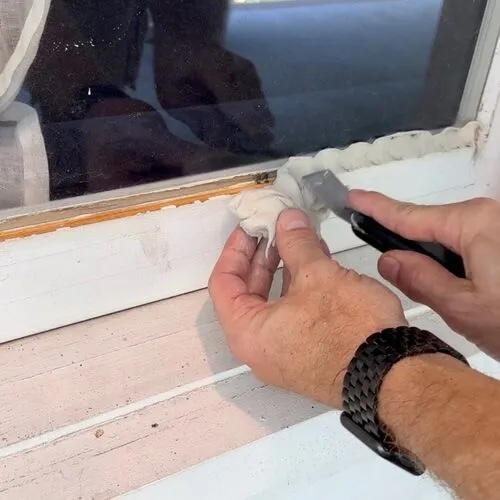
Mix equal parts epoxy and hardener on an unclean plate or in a well-ventilated area. Then, apply the epoxy mixture onto the glass with a putty knife, being careful not to apply too excessive pressure. Let the epoxy mixture sit for 10 minutes before removing any excess using a razor blade, or a clean rag soaked in acetone.
If you do a great job of repairing the window and it's not frequentedly bumped, it may last for a long time before having to be repaired. However, if you see signs of wear and tear or the crack is becoming bigger than it was at first you should consider replacing your windows with glass instead.
Leaking Windows
If you have leaking windows, it's important to act immediately. Water that leaks through windows can cause wood rot, mold growth and other issues that can damage your home and affect your health. There are several ways to fix windows that leak and keep your home safe and comfortable.
Sealant that is old or worn out can lead to window leaks. When the glazing putty used to hold the window in place dry it may leave gaps that let cold air or water to enter your home. The best method to fix this issue is to replace the sealant by applying a fresh bead of caulk. Use waterproof caulk to stop water leaks and to combat moisture.
Another reason that causes leaks in windows is inadequate installation. read full article could be due to flashing that's vulnerable to water or nails that do not resist corrosion. In these cases, the window may require replacement entirely.
Leaking windows are also a sign it's time to upgrade to high-efficiency vinyl. These windows are more energy-efficient than older windows and can lower your cooling and heating bills.
When a window leaks, it is often difficult to determine the source. Examine the walls around it for signs of water stains. These stains are often an indicator that moisture is leaking into the wall cavities, which could cause issues with furniture and flooring.
Window experts can assist in determining the cause of the leak. They will be able to inspect the entire wall and window structure to identify the problem. This can be a complex procedure, but it's the most thorough method. A professional can take away any damaged wood from the frame of the window and the wall that surrounds it, then replace the material with new ones to stop further leaks. They are also able to perform a full frame replacement or a more complicated solution which involves removing the old windows and putting in new ones from the starting point.
Missing Sealant Beads
The absence of sealant beads is a common issue at joints and corners. These beads are a cause for water infiltration within the glass and glazing pocket. These gaps can be repaired by using silicone caulk using a gun-grade application. Make sure you have the proper caulking tool and enough sealant to finish the project. Clean with denatured ethanol and eliminate any debris that could interfere with the adhesion of the sealant to the substrate. To determine the compatibility and adhesion, mock-ups need to be made with the sealant.
Load the sealant tube into the caulking tool. When you squeeze the trigger, sealant will start to flow out. If necessary, cut the tip of the tube to make it larger. To get a feel for the sealant, lay a bead on scrap wood. After placing the bead on the surface, lightly smooth it with a painter’s edge tool (or your finger if you have a soiled, water-soaked finger). Avoid dragging the tool over the silicone bead in more than one direction.
Low Energy Efficiency
High-efficiency windows significantly reduce the amount of heat that is lost from homes, allowing you to save on energy bills. It also helps block out outside noises, creating more tranquil environment.
The best way to ensure the efficiency of your windows is to keep them free of paint stains. This can be accomplished with the help of paint thinners or solvents. Since certain chemicals emit strong fumes, it's crucial to make sure that the area is ventilated. Test the substance on a small area of glass to determine if it is safe to use.
Cover any surfaces near the window panes with dropcloths or plastic sheets. This will help protect these areas from paint splatters and damages during the removal process. Then, soak the surface with the cleaner. This will soften the stain and make it easier to remove. A plastic scraper or putty knife may be employed, but you must be careful not to apply too much pressure since this could scratch the window's surface.
It is essential to speak with the conservation officer of your local council before making any changes to your windows when you live in an area that is designated a conservation area or a building that is listed. They can offer suggestions on non-intrusive options for glazing that will improve the energy efficiency of your home.